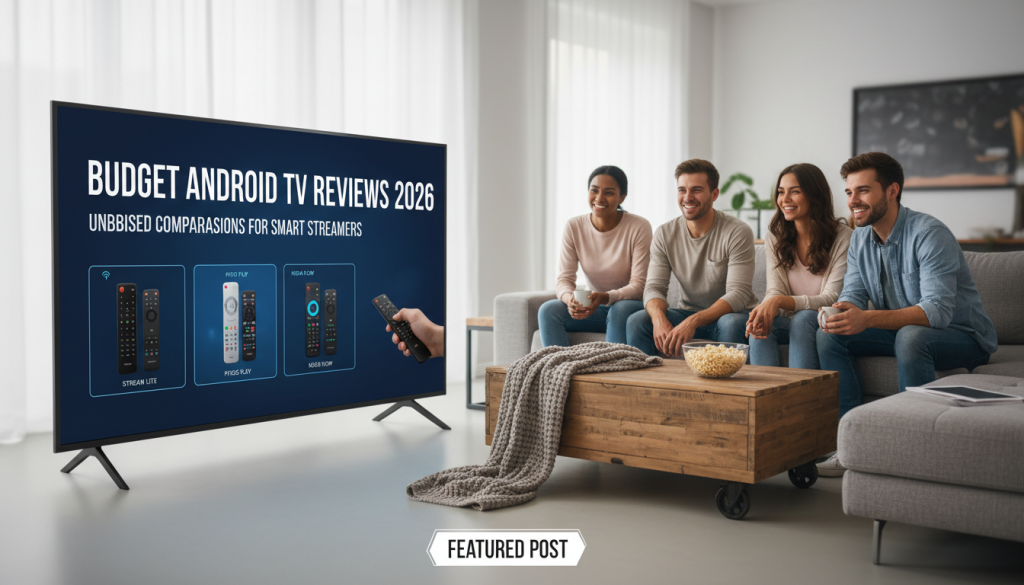
The landscape of home entertainment is constantly evolving, and by 2026, smart streaming devices are more crucial than ever. If you’re a savvy consumer looking to upgrade your TV’s intelligence without emptying your wallet, then diving into budget Android TV reviews 2026 is your first smart move. This guide will empower you to navigate the increasingly complex choices, ensuring your entertainment setup remains current and responsive.
Introduction: Navigating the Budget Android TV Landscape for 2026

The appeal of budget Android TV devices is clear: they offer powerful streaming capabilities, transforming any TV into a smart hub without breaking the bank. The market for smart TVs and streaming devices continues its rapid expansion, with Android TV and its sophisticated sibling, Google TV, poised for significant growth in 2026, especially within operator set-top boxes and smart TV integrations. While many televisions come with built-in smart features, these components often age faster than the display itself. This makes an external streaming device, particularly an affordable Android TV box, a more sustainable and future-proof long-term investment.
The challenge, however, lies in sifting through the myriad of options to separate fleeting trends from lasting value in the bustling sub-$50 market. Our promise to you is a comprehensive comparison of top budget Android TV devices 2026, focusing on longevity and real-world performance for the savvy streamer. What you can expect from this guide are in-depth comparisons, insights into future-proofing your setup, a clear look at potential hidden costs, and use-case specific recommendations to help you find the best value Android streaming box 2026. Get ready to make an informed decision and embark on your smart streaming journey.
[link_card url=”https://simturax.com/ultimate-guide-to-google-tv-android-tv/”]
The 2026 Budget Blueprint: What Really Matters in Sub-$50 Android TV
Defining ‘budget’ realistically for cheap Android TV box reviews 2026 for 4k streaming means setting expectations. For under $50, you’re looking for solid performance in core streaming tasks, not necessarily high-end gaming or advanced smart home integration.
The ‘2026’ Factor: Key Criteria for Longevity and Future-Proofing
To ensure your investment lasts, focus on these critical criteria by 2026:
* Certification is King: Always look for devices that are “Google Certified” and “Netflix 4K Certified.” This isn’t just a badge; it ensures official app support, Widevine L1 DRM for high-quality streaming on major platforms like Netflix and Hulu, and better overall support, leading to fewer streaming issues. Uncertified boxes often struggle with premium content in high resolution.
* Codec Support: Hardware decoding for AV1 is rapidly becoming a standard for future streaming efficiency. Major platforms are increasingly utilizing AV1 for higher quality video at lower bandwidth, making it a crucial feature for any future-proof media player.
* Operating System: Aim for Android TV version 10 or higher. Older versions may lack app support, crucial security updates, and overall compatibility, similar to using an outdated operating system on a computer. Google TV OS is also a strong contender, offering a more modern interface.
* Hardware Relevance: While “AI features” are largely considered a gimmick in the budget segment for 2026, core performance and robust certification will continue to define value.
Essential Specs to Prioritize
When considering what is the best Android TV box under $50 for streaming in 2026, these specifications are paramount:
* Processor (SoC): For basic streaming, the processor matters less than it did in previous years, as most modern, even low-end, chipsets are sufficient to run TV software smoothly. However, for a truly fluid user interface and a more responsive experience (especially for android tv box under $50 with good performance for gaming 2026), a more capable System on a Chip (SoC) will still offer a noticeable difference.
* RAM and Storage: At least 2GB of RAM is generally considered adequate for regular viewing and smooth UI navigation, as seen in capable models like the Xiaomi TV Stick 4K (2nd Gen). Devices with 8GB or 16GB of internal storage are common. While sufficient for a few core apps, expandable storage options (via USB or microSD) are a significant advantage to combat limited internal space, particularly for those looking for robust media player functionality.
* Connectivity: Dual-band Wi-Fi (2.4 GHz and 5 GHz) is crucial for stable, high-quality streaming. Wi-Fi 6 is becoming more prevalent in newer budget devices, offering even better performance. Bluetooth 4.0 or higher is essential for connecting remotes, game controllers, and other peripherals, making it a good tv stick alternative.
* Remote Control: A proper Bluetooth remote with a built-in microphone for voice commands (like Google Assistant) is a significant upgrade over basic IR remotes, greatly enhancing ease of use and making your affordable Android TV box reviews 2026 experience much smoother.
Red Flags to Avoid
Be wary of:
* Outdated Android Versions: Anything below Android TV 10 will likely cause compatibility headaches.
* Unknown Brands with Poor Support: Lack of official certification or a track record of updates is a major red flag.
* Limited Connectivity Options: A single USB port or only 2.4GHz Wi-Fi can severely limit functionality and performance.
* Generic ‘Smart Box’ Claims: If a device doesn’t explicitly state “Google Certified Android TV” or “Google TV,” it’s likely running a tablet version of Android not optimized for TV, leading to a frustrating experience.
Budget Android TV Showdown: Top Contenders for 2026 (Under $50)

While specific “2026” models under $50 are still emerging, the following devices from late 2024 and 2025 represent the best-in-class for budget Android TV or Android-based streaming. They offer a strong indication of what to expect and are excellent benchmarks for your low-cost android tv box comparisons 2026. Our methodology for comparison focuses on real-world usability, official support, and future-proofing.
Chromecast with Google TV (HD and 4K) Deep Dive
Google’s own offering, available in HD and 4K variants, continues to be a strong contender, often setting the bar for the most affordable Android TV box with Google TV OS 2026.
* Pros: The HD version is excellent for older TVs, offering a clean, modern Google TV interface with a highly functional voice remote. The 4K version, especially when on sale, provides similar benefits with higher resolution support and often includes an input button on the remote, which is surprisingly useful. It boasts official app compatibility and strong community support.
* Cons: Occasional menu sluggishness is a known minor drawback, though Google is actively addressing this through software updates. Internal storage is limited, usually 8GB, with a significant portion taken by the OS.
* Real-world performance benchmarks: UI fluidity is generally good for its price, though not always instantaneous. App load times are decent for popular streaming apps. 4K HDR stability is excellent, provided you have a capable Wi-Fi connection. Gaming performance is basic, suitable only for very light, casual titles. Thermal management is adequate for streaming.
* Software support outlook for 2026: Google’s commitment to its own devices means a high likelihood of consistent Google TV updates and security patches, ensuring its long-term relevance.
Xiaomi TV Stick 4K (2nd Gen) Deep Dive
This cheap Android media player reviews 2026 favorite provides a full-fledged set-top box experience in a highly portable stick format.
* Pros: It features an Amlogic S905 X5M processor, providing robust support for Dolby Vision, HDR10+, multi-channel sound (DTS:X, Dolby Atmos), and auto-frame rate. It’s fully Google certified, ensuring Widevine L1 DRM. With 2GB of RAM, it’s sufficient for regular viewing, making it an excellent tv stick alternative.
* Cons: Internal storage is typically limited to 8GB. The basic remote is functional but lacks some advanced features found on competitors’ (though it does have voice control). While responsive, heavy multitasking can sometimes lead to minor slowdowns.
* Real-world performance benchmarks: UI fluidity is solid, rivaling more expensive options. App load times are quick for mainstream apps. 4K HDR stability is excellent due to strong codec support. Its ACR support enhances the viewing experience. Gaming performance is limited to very casual titles.
* Software support outlook for 2026: Xiaomi generally provides good official update support for its popular devices, including security patches, making it a reliable choice for the coming years.
[link_card url=”https://simturax.com/install-apk-on-xiaomi-mi-tv-stick/”]
onn. Google TV 4K Pro Streaming Device Deep Dive
Praised as one of the best newer choices for media streaming, the onn. Google TV 4K Pro offers a robust Google TV experience that punches above its weight.
* Pros: Delivers a smooth and feature-rich Google TV experience. Often lauded for its performance-to-price ratio, it’s a strong option for those seeking the modern Google TV interface without the Google price tag.
* Cons: Availability can sometimes be regional or limited to specific retailers. While robust, its internal storage may still feel tight for heavy app users.
* Real-world performance benchmarks: Provides a fluid UI, strong 4K streaming capability, and excellent app compatibility, making it a top budget Android TV devices 2026 contender.
* Software support outlook for 2026: As a recent and popular release, it’s expected to receive consistent official updates and security patches, ensuring good longevity.
Other Notable Mentions
* TiVo Stream 4K: Still considered a great option for its watch-first interface and a unique remote with an input button. However, updated versions are not being released, meaning its availability may decline, making it less of a long-term compare budget Android TV boxes 2026 for Hulu and Netflix recommendation.
* Amazon Fire TV Stick Lite / 4K Plus: While running Amazon’s Fire OS (an Android fork), these devices are strong contenders in the budget streaming space. The Fire TV Stick 4K Plus offers Wi-Fi 6, Dolby Vision, HDR10, and HDR10+ support, making it a feature-rich option often available under or around $50 during sales. Its ecosystem is separate from pure Android TV, but it’s a powerful streaming device.
* MECOOL KM9 Pro Max: Recognized for its aggressive pricing for Google-certified boxes, supporting 4K streaming and AV1 decoding. It’s a strong value option, though its price point might sometimes exceed $50.
Beyond the Box: Hidden Costs, Essential Accessories, and Smart Upgrades
Purchasing a streaming device goes beyond the initial sticker price. Smart consumers understand the full ecosystem of costs and enhancements.
The True Cost of ‘Budget’: Uncovering Potential Hidden Costs

While you’re getting a great deal on the hardware, be aware of:
* Subscription Services: Accessing premium content requires subscriptions to multiple streaming platforms (Netflix, Disney+, HBO Max, etc.), which can quickly add up. Many services also charge extra for 4K and HDR content.
* Internet Connection: A reliable and fast internet plan is crucial for smooth streaming, especially for bandwidth-intensive 4K content. Upgrading your plan might be necessary if your current speed is insufficient.
* Electricity Bills: While minimal, larger or more advanced TVs and always-on streaming devices can contribute to higher energy consumption over time.
* Data Collection: Many smart TVs and streaming devices collect user data. Manufacturers often engage in “post-purchase monetization” by selling this data to advertisers, which can lead to targeted advertisements and raise privacy concerns.
[link_card url=”https://simturax.com/cord-cutting-services-vs-devices/”]
Essential Accessories for an Optimal Experience

Best Fire TV Alternatives for 2026: Top Picks & Comparisons
Read More →To truly get the most out of your top budget Android TV devices 2026:
* External Storage: Given the limited internal storage (typically 8GB-16GB), a high-speed SD card or a USB 3.0 external hard drive is highly recommended for storing more apps, games, or media files. A USB hub can expand connectivity for more peripherals.
* HDMI Cables/Switches: High-quality HDMI cables (e.g., HDMI 2.0 or 2.1 for 4K HDR) ensure optimal video and audio transmission. An HDMI switch can be invaluable if your TV has limited HDMI ports and you connect multiple devices.
* Universal Remote: Consolidating multiple remotes (TV, soundbar, streaming device) into one universal remote can simplify your entertainment setup.
* Cable Management: Kits with cable sleeves, clips, and ties help keep your entertainment area organized and prevent damage or tripping hazards.
* Screen Cleaning Kit: Essential for maintaining picture clarity, using the correct, alcohol-free solutions and microfiber cloths.
Smart Upgrades for Longevity
* High-Gain Wi-Fi Antenna: If your device struggles with a weak Wi-Fi signal due to distance or obstacles, upgrading your router’s antennas or adding a high-gain antenna can significantly improve streaming performance.
* Firmware Updates: Regularly check for and install official firmware updates from the manufacturer. These often include performance improvements, bug fixes, and new features.
* Custom Launchers (for Android TV): While Google TV offers a great interface, standard Android TV devices can benefit from third-party launchers for more customization and a lighter footprint.
* Debloating Pre-installed Apps: Some devices come with unnecessary pre-installed apps. Disabling or uninstalling these can free up resources and improve performance.
* Optimizing Settings: Dive into your device’s settings to adjust display resolution, audio output, and developer options (if you know what you’re doing) for optimal performance.
Smooth Streaming on a Shoestring: Common Issues and Quick Fixes for Budget Devices
Even the best value Android streaming box 2026 can encounter hiccups. Here are common issues and straightforward fixes to keep your stream smooth.

Tackling UI Lag and Slowdowns
* Close Unused Apps: Too many background processes consume RAM. Regularly close apps you’re not actively using.
* Clear Cache and Data: For frequently used apps, clearing their cache and data can resolve performance issues and free up space.
* Free Up Storage: Ensure sufficient free storage. A close-to-full drive can degrade performance significantly.
* Factory Reset: If all else fails, a factory reset can often resolve persistent performance issues, effectively giving your device a fresh start.
Resolving Wi-Fi Connectivity Issues
* Check Network: Ensure your Wi-Fi network is operational and the password is correct.
* Restart Router/Modem: A simple power cycle of your network equipment can often resolve connectivity glitches.
* Firmware Updates: Ensure your Android TV’s firmware is up to date, as outdated firmware can cause compatibility issues with routers.
* 5GHz vs. 2.4GHz: Verify that your device supports the 5GHz band if you have a dual-band router. The 5GHz band offers faster speeds and less interference, ideal for streaming. Router placement also matters for signal strength.
[link_card url=”https://simturax.com/internet-speed-for-4k-streaming/”]
Addressing App Compatibility & Crashes
* Update Apps: Always update apps to their latest versions via the Google Play Store.
* Uninstall/Reinstall: If issues persist, uninstall and reinstall problematic apps to fix corrupted files or data.
* Sideloading (with caution): For apps not officially in the Play Store, sideloading APKs is an option but proceed with caution, ensuring sources are reputable.
* Check App Requirements: Ensure your device meets the minimum OS and hardware requirements for demanding apps.
Remote Pairing & Responsiveness
* Check Batteries: This is the simplest and often overlooked fix for an unresponsive remote.
* Re-pair Remote: For Bluetooth remotes, unpair and then re-pair the remote through your device’s settings.
* Line of Sight (for IR): If your remote is IR (infrared), ensure there’s a clear line of sight to the device’s IR receiver. Bluetooth remotes don’t require this.
Managing Thermal Throttling
* Proper Ventilation: Ensure your device has adequate airflow and isn’t enclosed in a cabinet or stacked under other hot electronics.
* Basic Cooling Solutions: In extreme cases, a small USB fan can help dissipate heat, preventing performance degradation under sustained use, especially important for android tv box under $50 with good performance for gaming 2026.
Finding Your Fit: The Budget Android TV Buyer’s Guide for Every Streamer
Choosing the right budget Android TV reviews 2026 involves matching the device to your specific needs. Here’s how to find your perfect match:
Best for Casual Netflix & YouTube (New Streamers)
For those who primarily use mainstream apps like Netflix, YouTube, and other common services, prioritizing simplicity, stable performance for core apps, and ease of setup is key.
* Recommendation: Chromecast with Google TV (HD or 4K, depending on your TV) or Xiaomi TV Stick 4K (2nd Gen).
* Value Proposition: These offer a clean, intuitive interface, reliable official app support, and consistent performance for standard streaming, ensuring a smooth entry into smart streaming without complexity.
Best for Local Media & Plex/Kodi (Seasoned Streamers)
If you’re a media enthusiast with a large personal library, focusing on robust processors, ample (or expandable) storage options, and comprehensive file format support is crucial.
* Recommendation: Xiaomi TV Stick 4K (2nd Gen) or the onn. Google TV 4K Pro Streaming Device.
* Value Proposition: Both devices offer good codec support and sufficient processing power to handle local media playback via apps like Plex or Kodi, especially with expandable storage for media files, making them excellent cheap Android media player reviews 2026 contenders.
Best for Travel & Portability
For streamers on the go, emphasis should be placed on compact size, easy setup in various environments, and versatile power options.
* Recommendation: Xiaomi TV Stick 4K (2nd Gen) or Chromecast with Google TV (HD/4K).
* Value Proposition: Their stick form factors are incredibly portable, easily powered by a TV’s USB port (though a wall adapter is recommended for stability), and quickly set up on any HDMI-equipped display, making them ideal travel companions.
Best for Light Gaming & Emulation
While budget devices won’t rival dedicated gaming consoles, some offer enough grunt for light gaming and retro emulation. Look for better GPU performance, sufficient RAM (2GB+), and reliable controller compatibility.
* Recommendation: onn. Google TV 4K Pro Streaming Device.
* Value Proposition: Generally offers slightly more capable hardware than basic sticks, providing a smoother experience for less demanding games and retro emulation, especially when paired with a compatible Bluetooth controller.
Android TV vs. Google TV: Making the OS Choice
* Google TV: Offers a more modern, content-first user interface with personalized recommendations across apps and support for multiple user profiles. It’s ideal for those who prefer a curated experience and deep integration with Google services. However, it might offer less customization and is typically found in slightly higher-priced models or newer devices like the Chromecast with Google TV.
* Android TV: Provides greater flexibility for customization, allowing users to sideload apps and use third-party launchers. It’s more widely available across budget TVs and offers a traditional app-centric interface. It’s often the more accessible option for budget-conscious buyers who still want full access to Google services.
Prioritize devices with Google and Netflix certifications for reliable performance and ongoing app compatibility. Note that budget devices may have slower OS updates depending on the manufacturer. Always check recent reviews and community discussions (e.g., Reddit) for real-world performance insights, common quirks, and long-term reliability.
Conclusion: Your Smart Stream Starts Here

In 2026, the budget Android TV landscape offers compelling options for smart streamers. By prioritizing key features like certifications, AV1 codec support, sufficient RAM, and up-to-date software, consumers can find devices that deliver excellent value without breaking the bank. Our comprehensive budget Android TV reviews 2026 aim to provide clear, actionable insights.
Understanding potential hidden costs and having a grasp of common troubleshooting steps will further enhance your streaming experience. A “budget” doesn’t mean sacrificing a great streaming experience if you choose wisely. By making an informed decision based on your individual needs, future-proofing insights, and realistic expectations, your smart stream can begin here. Enjoy your optimized, budget-friendly streaming experience through 2026 and beyond!